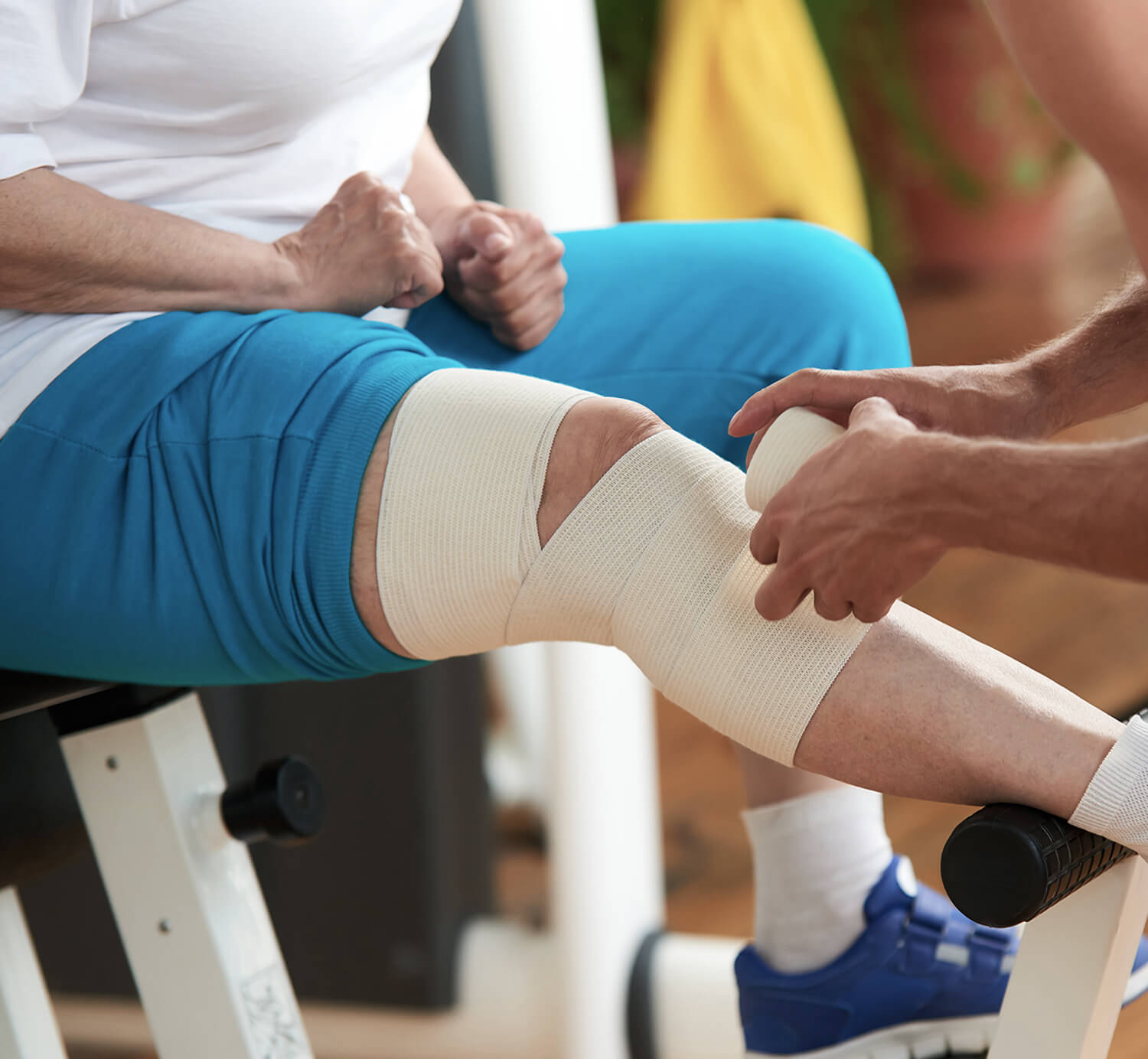
Right after an Initial Injury
Soon after the meniscus tear happened, practise the R.I.C.E. (Rest, Ice, Compression, Elevation) formula so as to prevent the injury from worsening and to alleviate symptoms such as pain and swelling.
Arrange to seek medical attention soon after in order to obtain a thorough assessment and accurate diagnosis of the injury.
This is particularly important if symptoms persist, and the knee continues to be unstable and “locking”.
Dr Sean Ng has over a decade of experience treating all types of meniscus tears. He is committed to helping each patient recover as quickly and fully as possible.
Contact UsNon-Surgical Treatments
Medications
NSAIDs (non-steroidal anti-inflammatory drugs) may be prescribed to decrease pain and swelling; however, they do not treat the underlying tear.
Physiotherapy
This helps reduce pain and swelling; as well as keeps the knee moving well and appropriately, which helps in healing. It can also strengthen the muscles in the area to further improve the stability of the joint.
Braces
Wearing a knee brace can help provide support and stability to the knee, which prevents the injury from worsening and helps mild meniscus tears heal. In many cases, however, braces tend to be just a temporary solution.
Injections
Similar to NSAIDs, these tend to be a short-term solution to help one feel and move better quickly – but usually do not treat the root problem.
Surgical Treatments
Surgery either removes the damaged tissue, repairs it, or may involve removing the meniscus completely. The mode of surgical treatment will depend on the location and severity of the tear.
Meniscal Repair
Simple meniscus tears can be repaired without any form of removal – they are like a torn seam that can be easily sewed (sutured) back into place and left to heal.
Partial Meniscectomy
In most cases of meniscus tears, some parts of the meniscus have to be removed, leaving the healthy tissue intact. We will preserve as much of the meniscus as far as possible.
Total Meniscectomy
This is when the entire meniscus is removed. This is considered a last resort as it increases the risk of future complications. However, it may be required in some severe cases.
For personalised advice on your meniscus tear treatment, contact our knee orthopaedic clinic today. We provide immediate and longer-term care for complete recovery.
Contact Us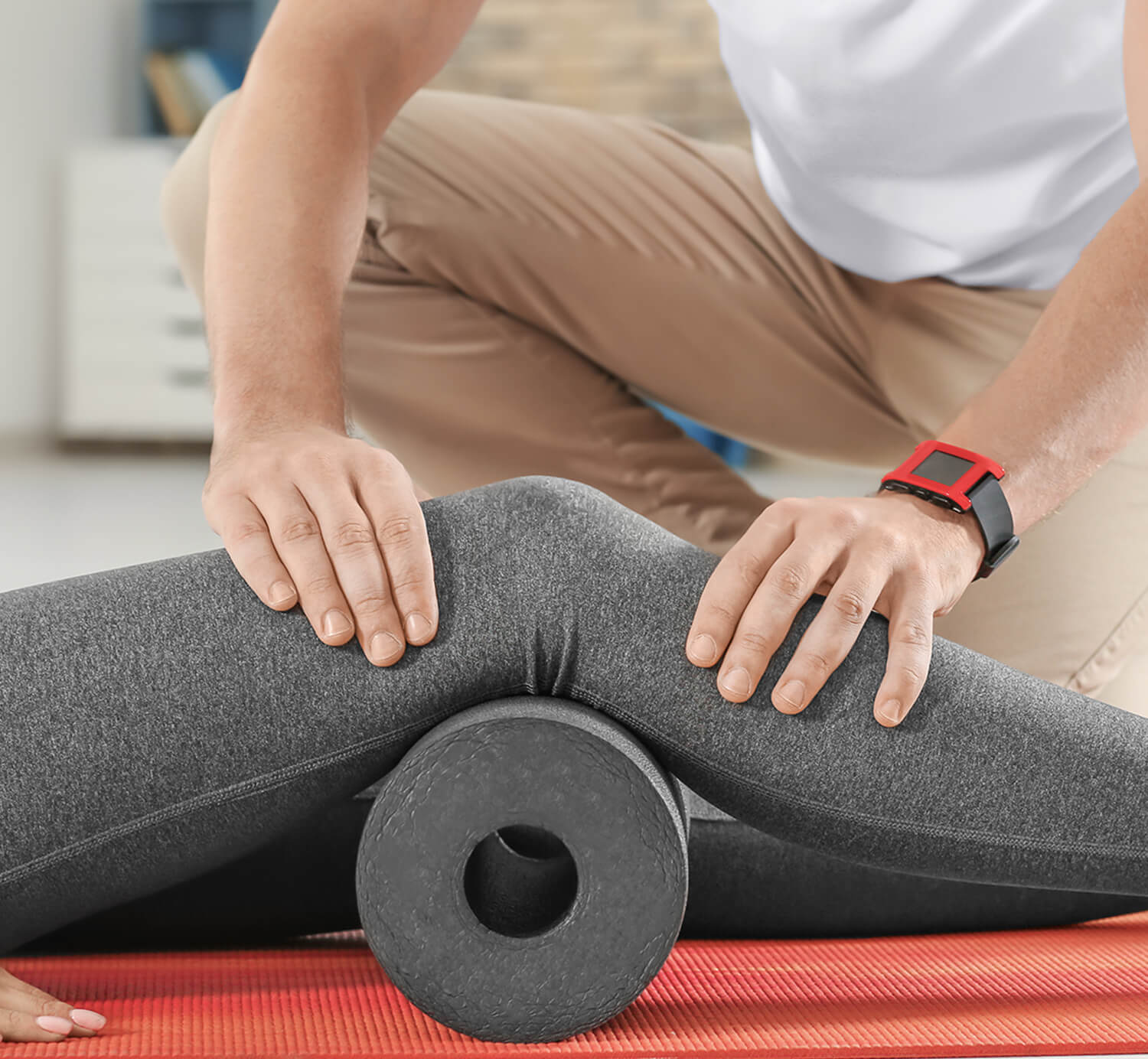
Minimally Invasive Meniscal Repair
Also known as an arthroscopic meniscus repair, this means that the procedure can be performed through just a few small incisions on the knee, using microsurgical instruments and guided by a small light and camera in real-time.
Complications are rare, and even more so with the arthroscopic method due to its less invasive nature. This also promises faster healing with better aesthetic outcomes.
Improving Your Recovery Journey
- Reduce or stop smoking before and after the surgery to reduce risk of blood clots and facilitate recovery.
- Stick to your personalised physiotherapy routine to improve on mobility and strength, as well as reduce pain and stiffness.
- Take your pain medication as prescribed for the days following the surgery.
- If you are given a knee brace or compression device, use them properly as advised.
contact us
Cove Orthopaedic Clinic is dedicated to helping patients bounce back optimally from their meniscus injuries and safely resume their active lifestyles.
For a detailed assessment and personalised advice, simply reach out to us today.Speak to us at 9631 7637 to find out how we can help you today.

Mount Elizabeth Medical Centre3 Mount Elizabeth #14-13, Singapore 228510
Farrer Park Medical Centre1 Farrer Park Station Road, #11-10Connexion, Singapore 217562
| Mon - Fri | : | 09:00am to 1:00pm &02:00pm to 5:00pm |
| Sat | : | 9:00am to 1:00pm |
Closed on Sundays and Public Holidays